Rustic wooden board with six types of Swiss cheese including Gruyère, Emmentaler, and Tête de Moine rosettes, garnished with walnuts, honey, and pears

Types of Swiss Cheese: The Only Guide You Actually Need

Switzerland produces over 700 types of Swiss cheese — and most people have tasted exactly one of them. That’s a genuine shame, because what’s hiding beyond that familiar holey wheel is one of the most diverse, regionally distinct cheese cultures on earth. Many of these cheese traditions are tied to specific regions you can visit — see

Types of Swiss Cheese: The Only Guide You Actually Need Read More »
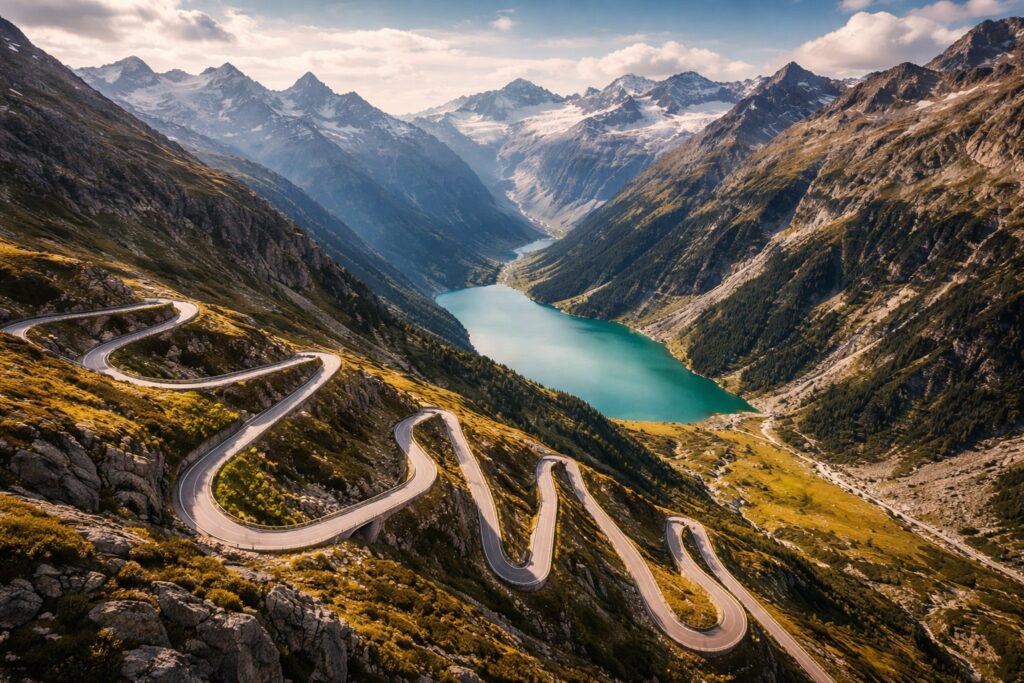
Winding scenic mountain road through the Swiss Alps with hairpin bends and a glacial lake below

The Scenic Drives in Switzerland That Will Make You Pull Over Every Five Minutes

Switzerland is small on the map but enormous once you’re behind the wheel. You round a corner and suddenly there’s a turquoise lake below, a cluster of timber chalets above, and somewhere in the background, a mountain that doesn’t quite look real. That’s the thing about scenic drives in Switzerland — the beauty doesn’t wait

The Scenic Drives in Switzerland That Will Make You Pull Over Every Five Minutes Read More »

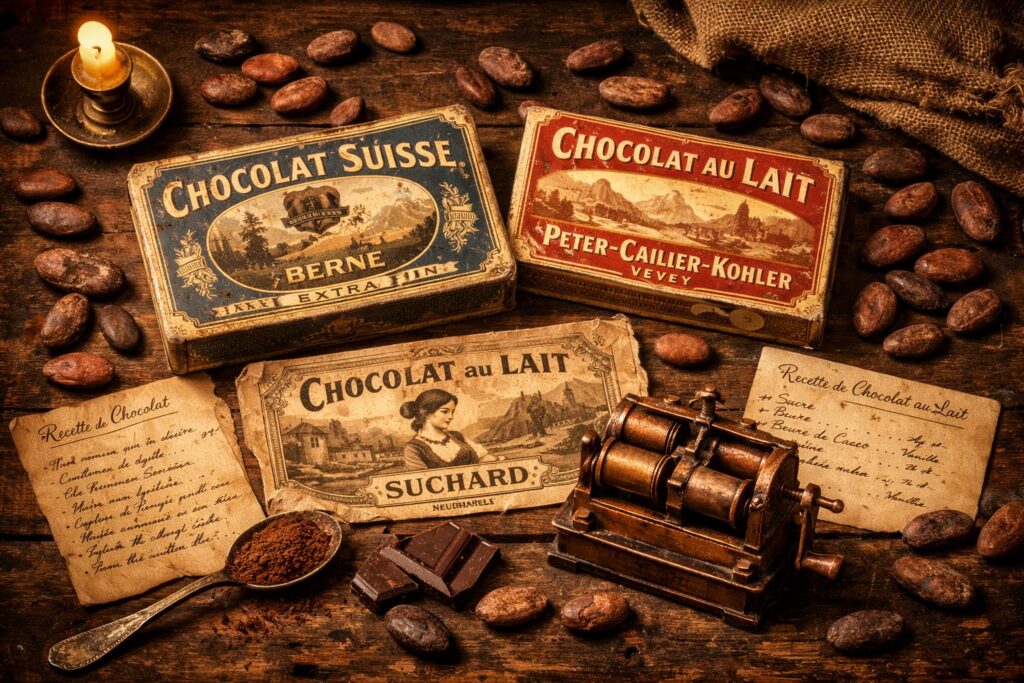
Vintage flat lay of antique Swiss chocolate packaging, cocoa beans, and historical recipe cards representing the 19th century origins of Swiss chocolate

Swiss Chocolate Experience: The Sweetest Journey You Will Ever Take in Switzerland

Imagine standing inside a room that smells like pure heaven. Warm, rich, velvety cocoa fills the air. In front of you, a four-metre-high chocolate fountain flows without pause. All around you, the story of one of the world’s most beloved foods unfolds on walls, exhibits, and tasting stations. You are not in a fantasy. You are

Swiss Chocolate Experience: The Sweetest Journey You Will Ever Take in Switzerland Read More »

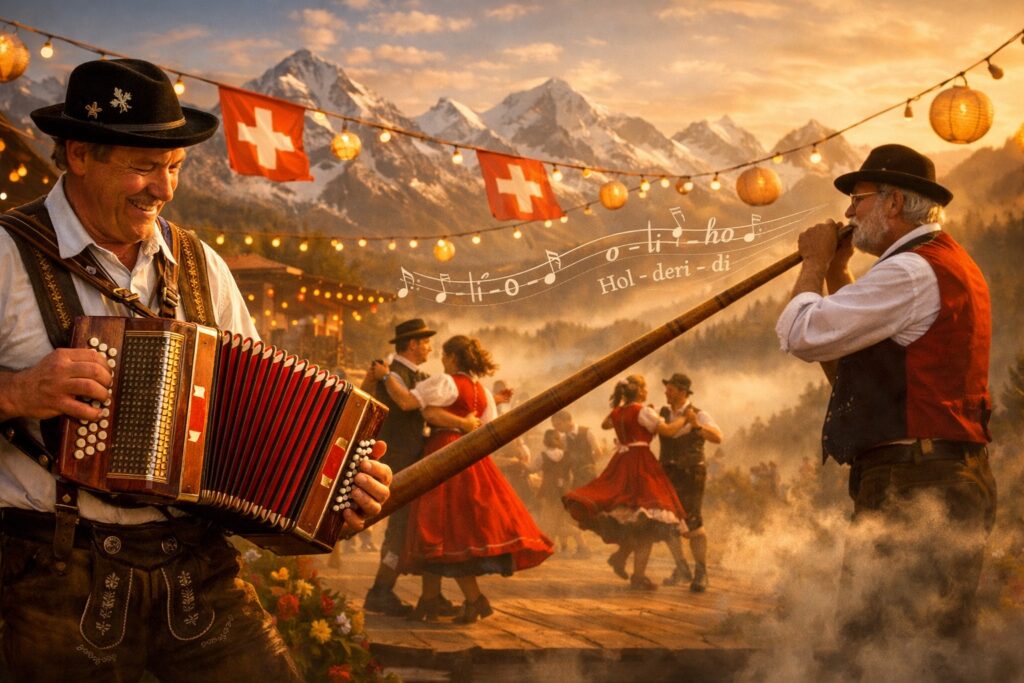
Guide to Swiss traditional music and folklore - alphorn yodel Ländler festival

Guide to Swiss Traditional Music and Folklore

Close your eyes. An alphorn’s deep, mournful call rolls through misty Alpine valleys. Leather boots stomp precise Ländler rhythms on wooden floors. A raw yodel pierces crisp mountain air, bouncing off granite peaks. Swiss traditional music and folklore don’t merely entertain—they capture a nation’s soul, forged through centuries of isolation, rebellion, and communal joy. To

Guide to Swiss Traditional Music and Folklore Read More »

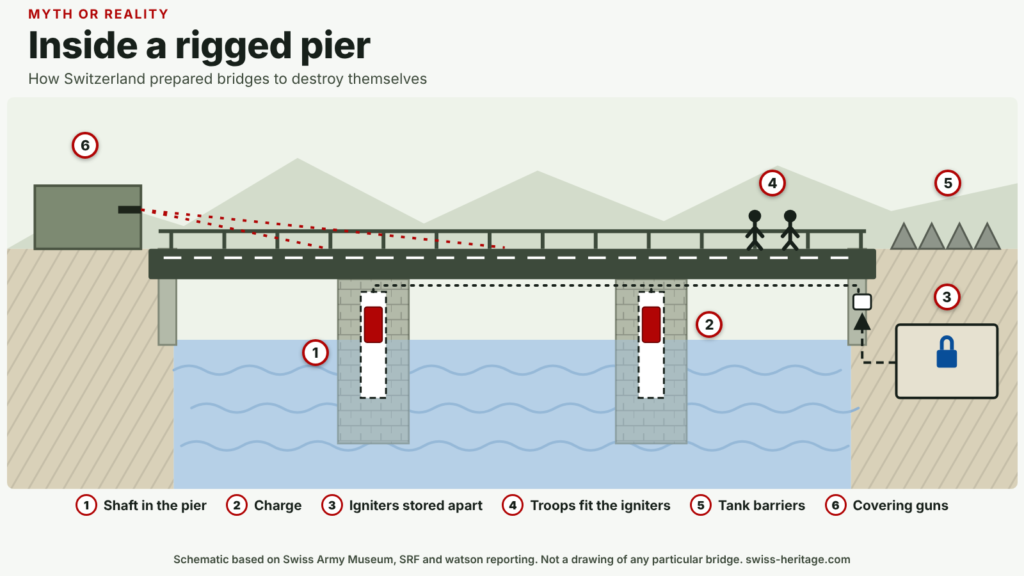
Cross-section of a Swiss road bridge rigged to blow, with numbered labels for the shaft in the pier, the charge, igniters stored apart, troops, tank barriers and covering guns

Swiss Bridges Rigged to Blow: The Documented Story from 1859 to Today

In mid-October 2014, the Swiss army finished emptying the last explosive chambers of a covered wooden bridge across the Rhine. The bridge joins Stein, in canton Aargau, to Bad Säckingen in Germany. Two of its piers held cavities about five metres high. How much explosive sat inside is still disputed: SRF reported several kilograms, while

Swiss Bridges Rigged to Blow: The Documented Story from 1859 to Today Read More »

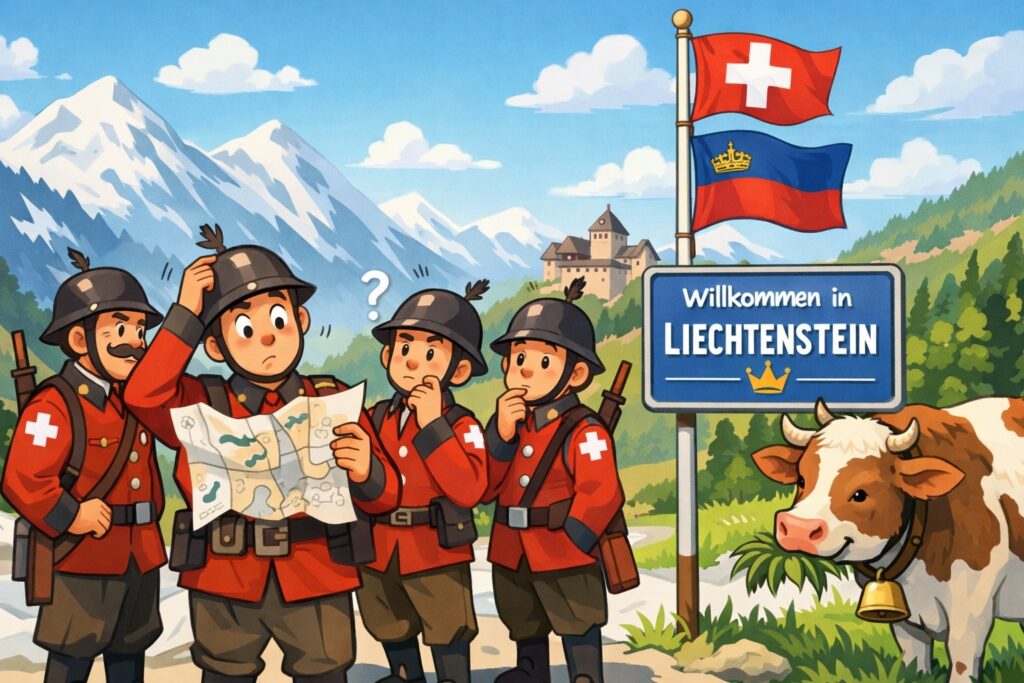
Switzerland invaded Liechtenstein by accident – funny soldiers at border

The 5 Times Switzerland Invaded Liechtenstein (By Accident)

If you ever feel terrible at directions, remember this: Switzerland invaded Liechtenstein by accident. Not once. Not twice. Five times. Nobody went to war. Nobody even shouted. Instead, “Switzerland invaded Liechtenstein” turned into one of Europe’s most low-stakes running jokes. Tiny stage, big comedy Liechtenstein is a small mountain principality between Switzerland and Austria, with about 40,000

The 5 Times Switzerland Invaded Liechtenstein (By Accident) Read More »

A top-down view of a Swiss meal split in half to represent the Röstigraben. The left side features Rösti and beer representing German Switzerland, while the right side features wine and fondue representing French Switzerland.

The Röstigraben: Crossing the Invisible Wall Dividing Switzerland

Can you cross a national border without actually leaving the country? In Switzerland, the answer is yes. You don’t need a passport, and there are no guards. But if you drive ten minutes west from Bern, the world tilts on its axis. Switzerland’s borders have produced stranger stories still — discover the five times Switzerland

The Röstigraben: Crossing the Invisible Wall Dividing Switzerland Read More »

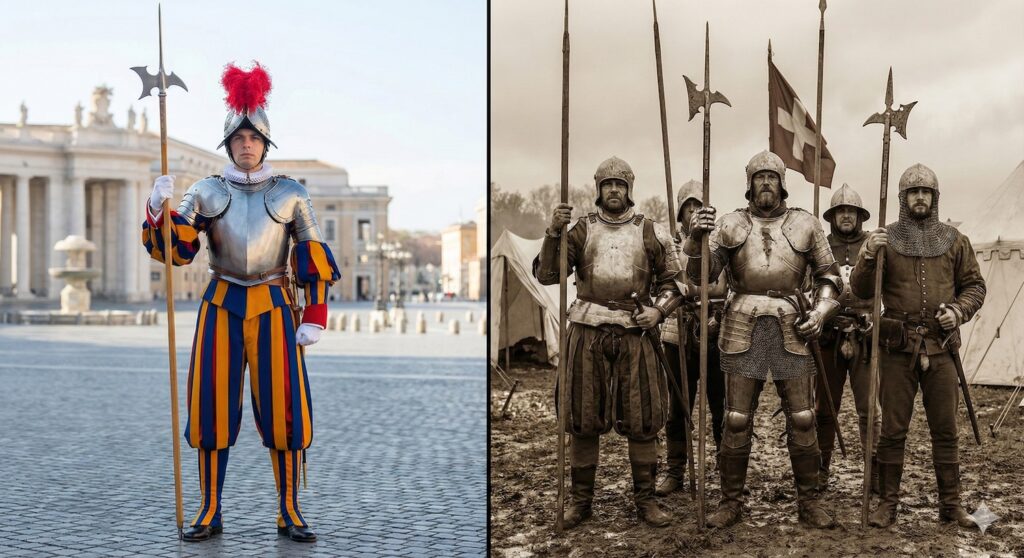
A split-screen comparison illustrating the evolution of Swiss mercenaries history. The left side shows a modern Pontifical Swiss Guard in a colorful ceremonial uniform, while the right side depicts a gritty, sepia-toned medieval Swiss mercenary with a pike, representing the bloody reality of the 1515 Battle of Marignano.

From Killers to Peacekeepers: The Bloody History of Swiss Mercenaries

Every day, tourists crowd the Vatican courtyards snapping photographs of the Pontifical Swiss Guard. The guards stand motionless in their ridiculous uniforms—blue, red, and orange striped hose, white gloves, helmets that look like they belong in a Renaissance fair. They look ceremonial. Decorative. Like Swiss heritage theme park employees rather than soldiers. But those uniforms

From Killers to Peacekeepers: The Bloody History of Swiss Mercenaries Read More »

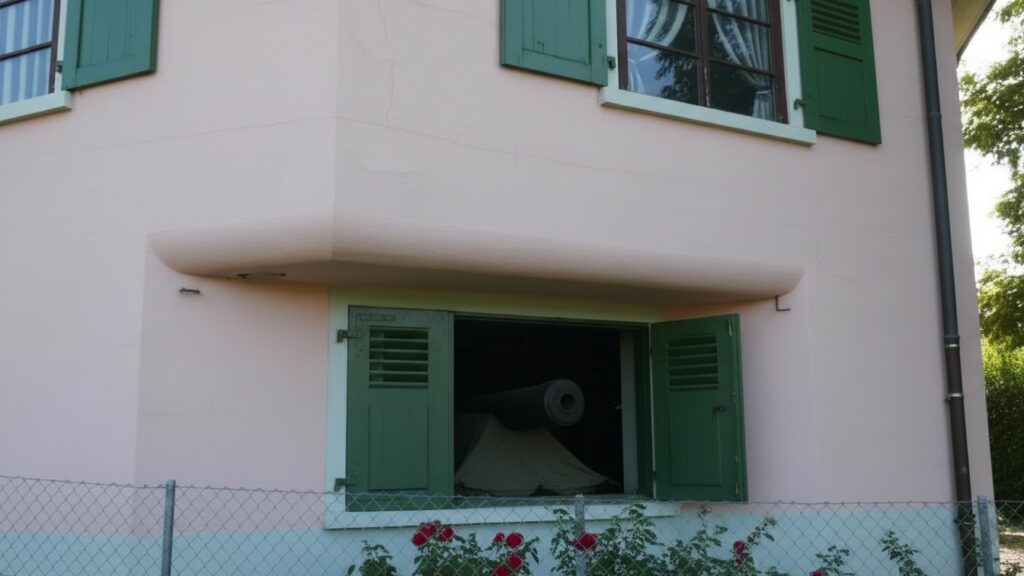
A close-up photograph of the Villa Rose, one of the most famous Swiss camouflage bunkers disguised as a residential home. The image reveals a concrete structure painted pink with fake windows, designed to hide an anti-tank cannon.

The House That Shoots Back: Switzerland’s Camouflaged Bunkers

You’re hiking near Lake Geneva on a beautiful afternoon. The Alps shimmer in the distance. Everything is Switzerland-postcard perfect. Then you spot it: a charming pink house, nestled against the green hillside. The windows have white-trimmed shutters. Terracotta roof tiles. A mailbox by the front door. It looks exactly like the kind of chalet a

The House That Shoots Back: Switzerland’s Camouflaged Bunkers Read More »

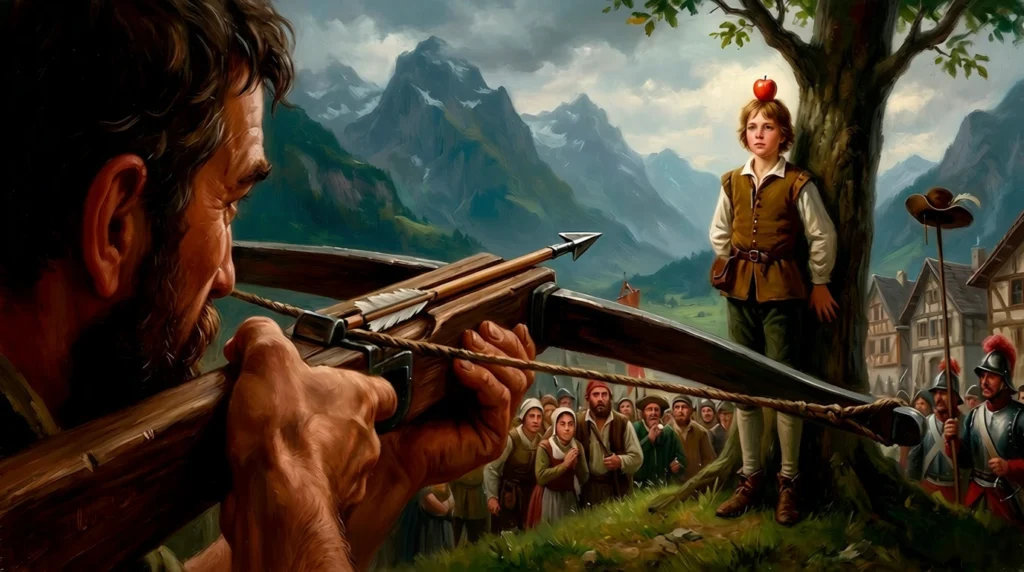
Dramatic historical illustration of William Tell aiming a crossbow at an apple on his son's head. The image depicts the famous 1307 legend in Altdorf, Switzerland, capturing the tension of the myth that defines Swiss independence.

Was William Tell Real? The Apple, the Danish Archer and the Missing Records

The apple is older than Tell. Around the year 1200, a Danish chronicler wrote down the story of an archer, a tyrant king and an apple on a boy’s head. The first Swiss account of Tell appears about 270 years later. That is the awkward fact at the heart of the legend. The Swiss date

Was William Tell Real? The Apple, the Danish Archer and the Missing Records Read More »