Imagine standing inside a room that smells like pure heaven. Warm, rich, velvety cocoa fills the air. In front of you, a four-metre-high chocolate fountain flows without pause. All around you, the story of one of the world’s most beloved foods unfolds on walls, exhibits, and tasting stations. You are not in a fantasy. You are in Switzerland — and you have just stepped into one of the most extraordinary food experiences on the planet.
Switzerland surprises travelers in the best possible ways. Most people arrive expecting mountains, watches, and cheese. They leave talking about something else entirely: Swiss chocolate. Not the chocolate you grab at an airport or unwrap on a lazy afternoon. Real Swiss chocolate. The kind crafted with decades of tradition, tasted in places that feel cinematic, and made by a country that turned confectionery into a national superpower.
For a comprehensive guide to planning your trip, start with the 25 best places to visit in Switzerland.
If you are planning a trip to Switzerland, put a Swiss chocolate experience at the very top of your itinerary. You will not regret it. In fact, by the time you finish reading this guide, you will already be searching for flights.
The Story That Started It All
Before you taste a single piece of Swiss chocolate, you need to know the story behind it. Because this is not simply the history of candy. This is the history of one of the greatest culinary revolutions the world has ever seen — and Switzerland sits at the very center of it.
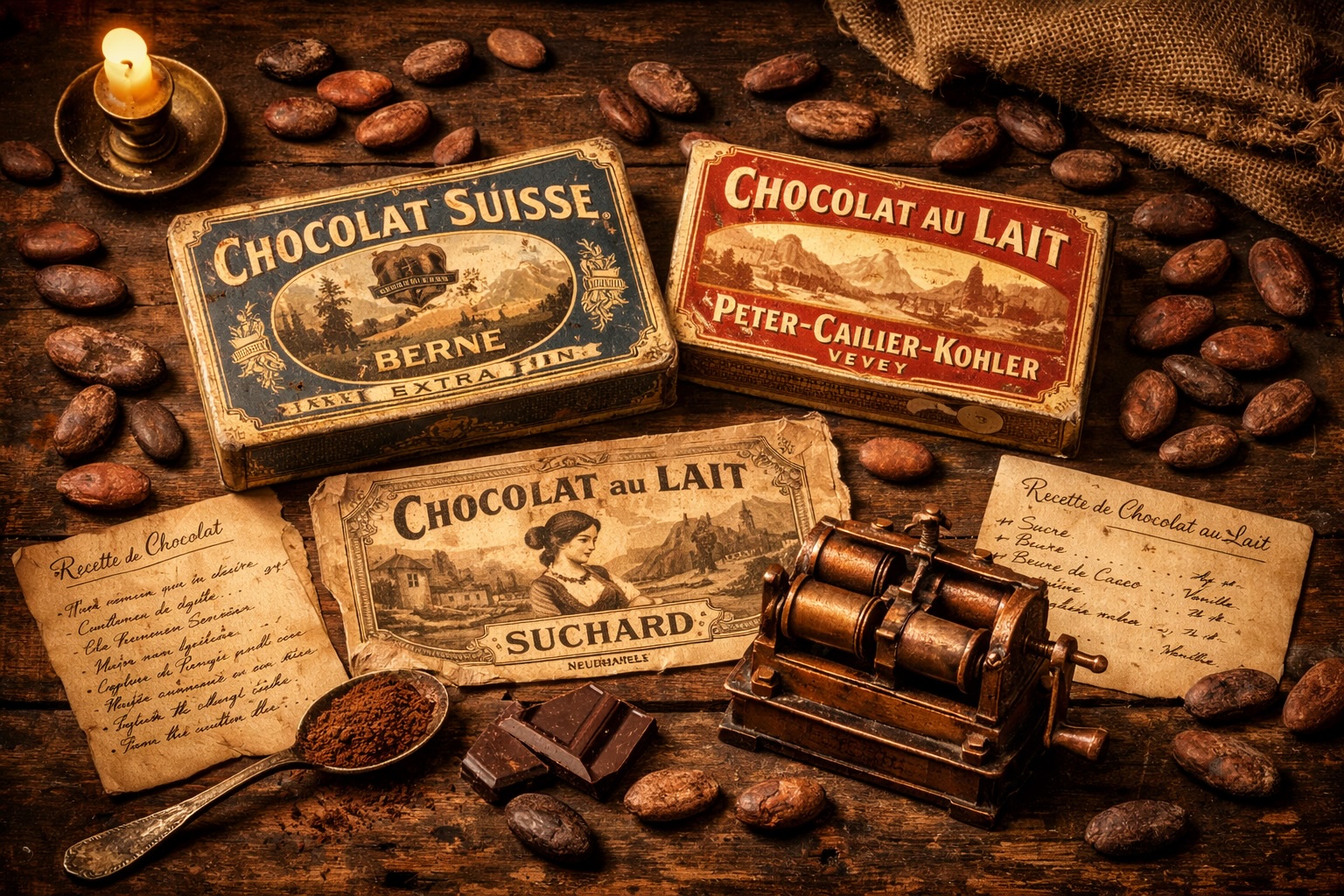
It begins in 1819, in a small Swiss village called Corsier-sur-Vevey, where a young entrepreneur named François-Louis Cailler opened Switzerland’s first mechanized chocolate factory. While the rest of Europe still made chocolate by hand, Cailler used machinery to standardize quality without sacrificing craftsmanship. That single decision set a precedent that Swiss chocolate makers would follow for the next two centuries: never settle for less than perfect.
Then, in 1875, a man named Daniel Peter achieved something extraordinary. He combined cocoa with condensed milk, inventing milk chocolate. At that moment, Switzerland did not just improve chocolate — it redefined it entirely. For the first time, chocolate became smooth, mild, and irresistibly creamy. The world had never tasted anything like it, and Swiss chocolate immediately became the gold standard.
But the story does not stop there. Just four years later, in 1879, Rodolphe Lindt invented the conching machine. This process involved mixing chocolate for hours — sometimes days — to break down every rough particle and create a texture so silky it almost dissolved on the tongue. Before conching, chocolate was grainy and harsh. After Lindt’s invention, it became the velvety experience that millions now take for granted every time they unwrap a bar.
These three men did not simply build businesses. They built a legacy. And when you visit Switzerland today, you walk into that legacy every time you step inside a chocolate museum, attend a tasting, or watch a skilled chocolatier at work.
What Makes Swiss Chocolate Taste Like Nothing Else
Here is a question most travelers never think to ask: why does Swiss chocolate taste better in Switzerland? The answer is more layered than you might expect.
First, it starts with philosophy. Swiss producers approach chocolate the way Swiss watchmakers approach a movement: every detail matters, every step is deliberate, and there is no acceptable shortcut. They source premium cocoa beans with strict criteria, blend them with precision, and refine the final product through processes that many factories around the world simply skip because they take too long.
Second, it starts with milk. Switzerland’s alpine dairy farms produce some of the richest, creamiest milk in Europe. That milk historically became the backbone of Swiss milk chocolate, giving it a distinctive warmth and depth that chocolate made elsewhere simply cannot replicate. Even today, Swiss producers guard their dairy sourcing carefully, knowing it remains a competitive advantage that no branding campaign can replace.
Third, it starts with setting. This is the part that travelers understand immediately upon arrival. When you eat chocolate against a backdrop of mountain scenery, in a heritage town, after a ride on a panoramic train, or in a tasting room designed with Swiss precision, the experience elevates everything. Taste is profoundly psychological. Switzerland gives chocolate the perfect stage, and the result is something you feel long after the flavor fades.
Chocolate and the Swiss Landscape
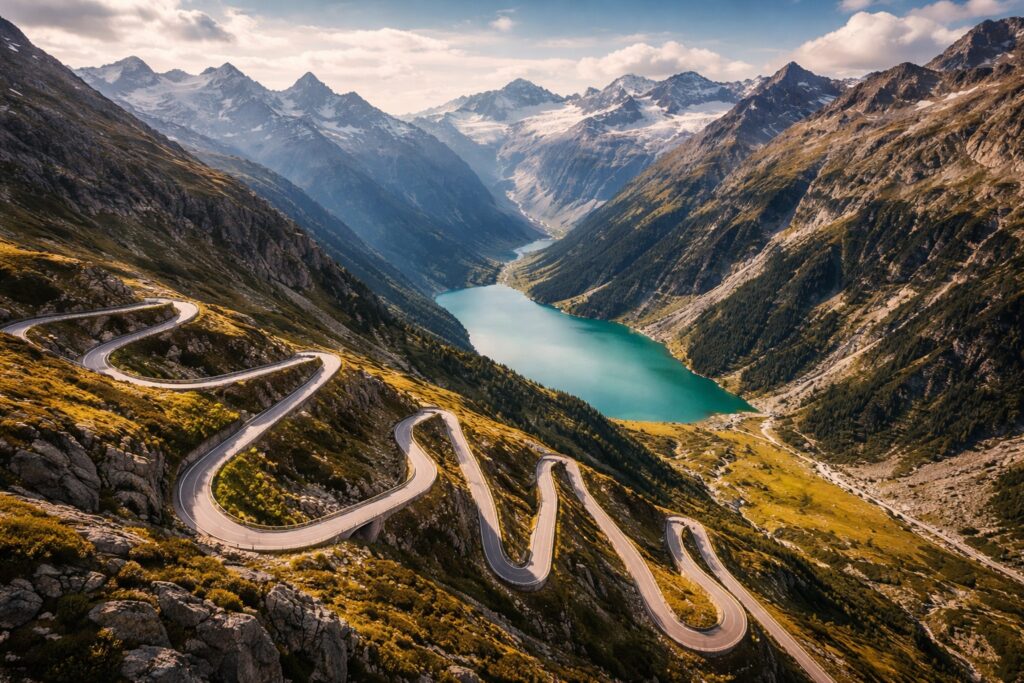
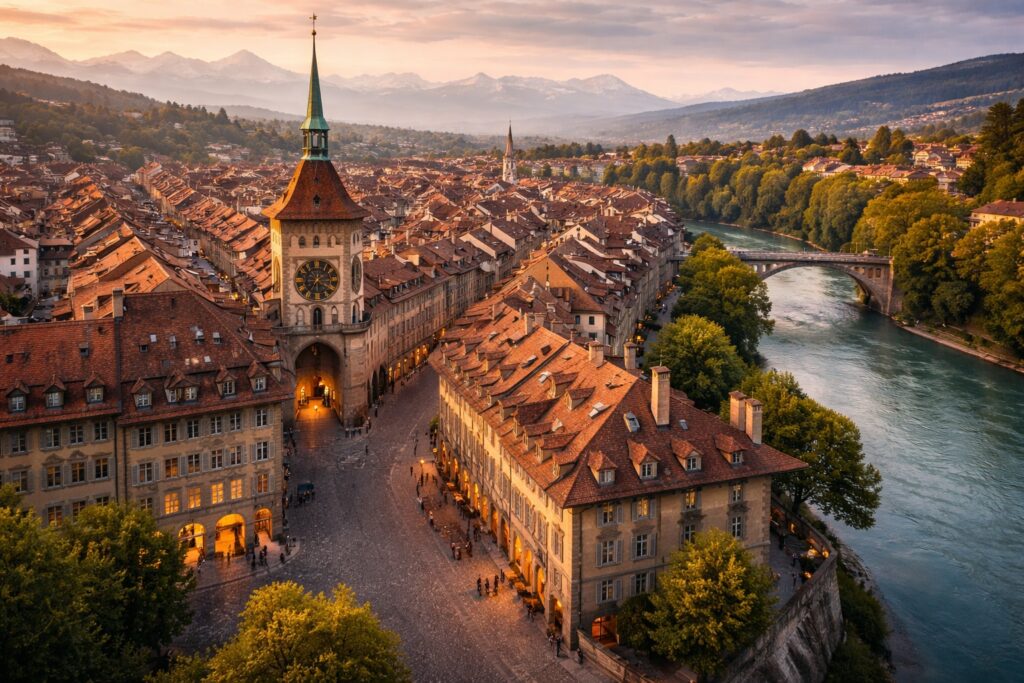
One of the most compelling aspects of the Swiss chocolate experience is how naturally it fits into the wider Swiss travel story. Switzerland already excels at pairing beauty with refinement. You can ride a scenic train past lakes and mountains, walk through a historic old town, and then end the day inside a beautifully designed chocolate museum. That combination of landscape and luxury creates a sense of harmony that very few destinations can match.
Chocolate also feels deeply connected to the Swiss imagination because it mirrors the country’s balance between nature and craft. The alpine world suggests purity, freshness, and calm. Chocolate adds warmth, richness, and pleasure. Together, they form a travel experience that feels both grounding and celebratory — one that stays with you long after you return home.
This is exactly why chocolate resonates so strongly with audiences interested in Swiss wonders. They are not only looking for facts. They want atmosphere. They want to understand what Switzerland truly feels like. Swiss chocolate helps tell that story because it turns national values into something people can physically experience through taste, smell, and memory.
What a Real Swiss Chocolate Experience Includes
A true Swiss chocolate experience goes far beyond buying a few famous bars at the airport. It is a multi-layered journey that moves through story, immersion, craft, and taste.
It often begins with storytelling. The best attractions introduce visitors to the global origins of cocoa, the rise of Swiss chocolatiers, and the breakthroughs that shaped modern chocolate culture. This historical foundation gives every single tasting more meaning.
Next comes immersion. At places such as the Lindt Home of Chocolate, visitors move through interactive exhibits that explore production, brand history, and chocolate-making traditions in a highly visual way. These spaces transform chocolate into an experience that feels educational, entertaining, and surprisingly emotional.
Then comes tasting — which is often the most memorable part of all. Sampling chocolate in Switzerland feels different because context matters deeply. When you taste a praline after learning how chocolate evolved, or enjoy a silky piece made by skilled chocolatiers in the very country that helped redefine the craft, the experience gains an entirely new layer of meaning.
For some visitors, workshops make the journey even richer. Places like Maison Cailler and House of Läderach allow guests to engage directly with the craft. That hands-on element creates stronger memories because people do not just observe Swiss excellence. They participate in it.
The Best Swiss Chocolate Experiences: Complete Guide with Official Information
Switzerland packs an extraordinary number of world-class chocolate destinations into a small country. Whether you prefer a grand museum, a heritage factory tour, a hands-on workshop, or an iconic city café, each stop below delivers something genuinely unforgettable. Here is everything you need to plan your perfect Swiss chocolate journey.
🍫 1. Lindt Home of Chocolate — Kilchberg (near Zurich)
The most spectacular chocolate museum in Switzerland, sitting directly on the shore of Lake Zurich. It features a four-metre-high chocolate fountain, fully interactive exhibits tracing the complete history of chocolate from ancient Mesoamerica to modern Swiss production, immersive tasting stations, and a large Lindt flagship store that is, fairly warned, extremely dangerous for anyone on a budget.
| Detail | Info |
|---|---|
| Official Website | lindt-home-of-chocolate.com |
| Address | Schokoladenplatz 1, Seestrasse 204, 8802 Kilchberg, Switzerland |
| Phone | +41 44 716 20 00 |
| Opening Hours | Tue–Sun, 10:00–18:00 (check website for seasonal updates) |
| Getting There | Electric bus line 165 from Bürkliplatz Zurich; S8/S24 train to Kilchberg ZH + 10-min walk; by car via Thalwil-Rüschlikon motorway exit |
| Best For | First-time visitors, families, museum lovers, chocolate enthusiasts |
| Approx. Visit Time | 2–3 hours |
Insider Tip: Book tickets online in advance, especially during summer and December. Mornings are dramatically less crowded. Combine with a walk along Lake Zurich for a picture-perfect afternoon.
🍫 2. Maison Cailler — Broc, Canton Fribourg
If Lindt Home of Chocolate is the blockbuster, Maison Cailler is the intimate, heritage-rich art house experience. Set in the picturesque Gruyère region, this attraction takes visitors on a sensory cinematic journey through themed rooms that recreate the atmosphere of early chocolate history. It ends in a spectacular tasting room where guests sample a generous selection of Cailler chocolate products freely. The surrounding alpine countryside alone makes this one of the most atmospheric food experiences in all of Europe.
| Detail | Info |
|---|---|
| Official Website | cailler.ch/en/maison-cailler-experiences |
| Visitor Information | cailler.ch/en/visit-maison-cailler |
| Address | Rue Jules Bellet 7, 1636 Broc, Switzerland |
| Phone | +41 26 921 59 60 |
| maisoncailler@nestle.com | |
| Opening Hours | Apr–Oct: daily 10:00–18:00 / Nov–Mar: daily 10:00–17:00 / Closed Dec 25 & Jan 1 |
| Getting There | Direct train to “Broc-Chocolaterie” station; by car: 30 min from Montreux or Fribourg, 45 min from Bern |
| Best For | Heritage lovers, couples, cultural travelers, workshop seekers |
| Approx. Visit Time | 1.5–2 hours |
Insider Tip: Combine with a visit to the Château de Gruyères and the local cheese dairy for a full culinary day — two of Switzerland’s greatest food traditions in one unforgettable itinerary.
🍫 3. Swiss Chocolate Adventure — Lucerne
Lucerne is already one of Switzerland’s most beautiful cities. Add this dynamic multimedia chocolate experience at the Swiss Museum of Transport and you have a day that blends culture, history, and sweetness in the most satisfying way imaginable. The experience uses a ride format to take visitors through the full journey of chocolate — from tropical cocoa plantations to Swiss factories — and ends with a Lindt chocolate tasting.
| Detail | Info |
|---|---|
| Official Website | verkehrshaus.ch |
| Address | Lidostrasse 5, 6006 Lucerne, Switzerland |
| Phone | +41 41 375 74 55 |
| Opening Hours | Apr–Sep: daily 10:00–17:00 / Oct–Mar: daily 10:00–16:00 |
| Admission | CHF 16.00 adult / CHF 12.00 reduced / CHF 7.00 children |
| Getting There | Bus lines 6, 8, or 24 to “Verkehrshaus” stop; 20-min walk from Lucerne main station along the lake |
| Best For | Families, interactive experience seekers, day trippers |
| Approx. Visit Time | 30–60 minutes (Swiss Museum of Transport: full day) |
Insider Tip: The Swiss Museum of Transport is a world-class attraction in its own right. Plan the Chocolate Adventure as the sweet highlight of a full Lucerne cultural day.
🍫 4. House of Läderach — Bilten, Canton Glarus
A hidden gem that many visitors overlook, the House of Läderach combines a chocolate museum, a live atelier where you decorate your own FrischSchoggi (fresh chocolate slab), guided factory tours, tasting experiences, chocolate courses, a café, and one of the world’s longest fresh chocolate counters. This is where artisanal Swiss chocolate culture comes to life in a hands-on and deeply satisfying way.
| Detail | Info |
|---|---|
| Official Website | houseofladerach.com |
| General Information | houseofladerach.com/general-information |
| Address | Grabenstrasse 6, 8865 Bilten, Canton Glarus, Switzerland |
| Phone | +41 55 645 44 55 |
| Opening Hours | Daily 09:00–18:00 |
| Getting There | Motorway A3 Zurich–Chur, exit Bilten/Schänis; approx. 50 min by train from Zurich |
| Best For | Workshop lovers, artisan chocolate fans, road trip stops |
| Approx. Visit Time | 2–3 hours |
Insider Tip: This destination sits directly along the A3 motorway between Zurich and Chur — a perfect stop if you are driving through the Swiss heartland toward Graubünden or the eastern Alps.
🍫 5. Confiserie Sprüngli — Paradeplatz, Zurich
No Swiss chocolate journey is complete without a stop at Confiserie Sprüngli on Zurich’s legendary Bahnhofstrasse. Founded in 1836, this is where you discover the world-famous Luxemburgerli macarons, handmade pralines, and exquisite truffles in one of Europe’s most elegant confectionery settings. Sprüngli is not a museum — it is living Swiss chocolate culture at its most refined and beautiful.
| Detail | Info |
|---|---|
| Official Website | spruengli.ch |
| Address | Paradeplatz, Bahnhofstrasse 21, 8001 Zurich, Switzerland |
| Phone | +41 44 224 46 46 |
| Opening Hours | Mon–Fri 07:00–19:00 / Sat 08:00–18:00 / Sun 09:00–18:00 |
| Getting There | Tram lines 6, 7, 11, 13 to Paradeplatz — the beating heart of Zurich |
| Best For | City visitors, luxury shoppers, café culture lovers |
| Approx. Visit Time | 1 hour |
Insider Tip: Visit in the morning for the freshest Luxemburgerli. Take a beautifully packaged box home — it remains one of the most iconic Swiss confectionery gifts you can bring from Zurich.
🍫 6. Aeschbach Chocolatier & ChocoWelt — Root-Luzern
A family-run Swiss chocolatier with over 53 years of history, Aeschbach offers a full chocolate world experience near Lucerne: the ChocoWelt interactive museum, a ChocoCafé, a ChocoBoutique, live chocolate events, and workshops for groups and corporate visitors. It is less famous than the big names — which makes it feel even more authentic and personal.
| Detail | Info |
|---|---|
| Official Website | aeschbach-chocolatier.ch |
| Contact | aeschbach-chocolatier.ch/kontakt |
| Address | ChocoDromo 1, 6037 Root-Luzern, Switzerland |
| Phone | +41 41 747 33 33 |
| Events & Workshops | +41 41 747 33 66 |
| verkauf@aeschbach-chocolatier.ch | |
| Best For | Groups, corporate events, authentic family experiences |
| Approx. Visit Time | 1.5–2 hours |
Insider Tip: Combine with the Swiss Chocolate Adventure in Lucerne for a full central Switzerland chocolate day. Two outstanding experiences within easy driving distance of each other.
Your Swiss Chocolate Journey at a Glance
| Attraction | Location | Best For | Visit Time |
|---|---|---|---|
| Lindt Home of Chocolate | Kilchberg, Zurich | Museum, fountain, tasting | 2–3 hours |
| Maison Cailler | Broc, Fribourg | Heritage, scenery, workshops | 1.5–2 hours |
| Swiss Chocolate Adventure | Lucerne | Families, multimedia ride | 30–60 min |
| House of Läderach | Bilten, Glarus | Workshops, fresh chocolate | 2–3 hours |
| Confiserie Sprüngli | Zurich city centre | Iconic café, pralines, gifts | 1 hour |
| Aeschbach Chocolatier | Root-Luzern | Groups, boutique, events | 1.5–2 hours |
Insider Tips for Your Swiss Chocolate Journey
Knowing where to go is one thing. Knowing how to make the most of every stop is another. These practical tips will help you travel smarter and taste better.
Start with history before you taste. When you understand why conching changed chocolate, or how milk chocolate was born in a Swiss village, every sample you try becomes a conversation between past and present. Context transforms flavor.
Visit in the morning. Chocolate museums are significantly less crowded in the first two hours after opening. You get more time at exhibits, shorter queues at tasting stations, and a calmer atmosphere. At Lindt Home of Chocolate in particular, morning visits feel dramatically different from mid-afternoon chaos.
Buy chocolate directly at the source. Airport chocolate is convenient, but buying directly from a factory shop, a heritage chocolate house, or a local artisan gives you products that are fresher, more varied, and often unavailable anywhere else in the world.
Try regional specialties. Switzerland’s chocolate culture is not uniform. The French-speaking region around Geneva and Fribourg offers distinct styles and historic brands. The German-speaking areas near Zurich carry their own traditions and flavors. Tasting across regions gives you a far richer picture of what Swiss chocolate actually is.
Slow down and pay attention to setting. Switzerland rewards travelers who resist rushing. Eat a piece of chocolate in a café overlooking the Alps. Buy a praline and enjoy it on a train crossing a mountain pass. Taste something from a small chocolatier in a medieval old town. The best Swiss chocolate moments always happen when you combine quality with atmosphere — and Switzerland gives you unlimited opportunities to do exactly that.
Why Chocolate Says So Much About Switzerland
Swiss chocolate matters because it reflects the values Switzerland projects in every other area of life. It reflects precision — great chocolate depends on exact timing, balance, and process. It reflects consistency — Swiss excellence is rarely accidental, and chocolate is a perfect example of that. And it reflects a profound pride in doing things properly, even when that takes considerably more time and care.
It also reflects Switzerland’s extraordinary ability to turn small details into lasting impressions. The country understands that elegance lives in refinement, not excess. A smooth texture, a balanced flavor, a beautifully designed wrapper, and a meaningful visitor experience may seem like small elements in isolation. Together, however, they create something that stays with you for years.
This is exactly why Swiss chocolate has such enduring international appeal. It is delicious, of course. But it also symbolizes trust, quality, and beauty. For many people, buying Swiss chocolate is not just a purchase. It is a way of taking home a small, perfectly wrapped piece of the Swiss standard of excellence.
What You Will Bring Home
At the end of a Swiss chocolate journey, you leave with more than a bag full of beautifully wrapped bars. You leave with a deeper understanding of why Switzerland earned its global reputation through the same values it applies to everything: precision, patience, pride, and an unwillingness to accept anything less than extraordinary.
That small, glossy square of Swiss chocolate sitting in your suitcase carries the legacy of Cailler, the brilliance of Daniel Peter, the ingenuity of Rodolphe Lindt, and two centuries of Swiss craftsmanship condensed into a single, unforgettable bite. Pack it next to a Swiss Army knife, and you’ll fly home with two of the country’s most famous inventions.
Take that journey. Taste that history. Switzerland is waiting — and so is the finest chocolate experience you will ever have.
Ready to explore more Swiss wonders? Browse our guides to Swiss culture, traditions, heritage, and travel at swiss-heritage.com.
Switzerland’s cheese culture is equally extraordinary — read the complete Swiss cheese guide to discover 700+ AOP-protected varieties.